

You face a common question in the health aisle: capsules vs powders vs tablets? The best choice for your vitamins and supplements depends on your personal preferences. Consumer preferences vary, impacting which supplement formats lead the market. For instance, tablets often have the lowest cost, explaining why they held 31.5% of the dietary supplement market share in 2024. This guide examines key factors like absorption, convenience, and cost. It will help you choose between different delivery formats for your health goals.
- Powders offer great dosing flexibility.
- Capsules deliver vitamins without any taste.
- Tablets are often the most budget-friendly option.
Your final decision will influence the absorption of your supplements and how easily you can stick to your routine. We will explore how each format affects absorption.
Capsules vs Powders vs Tablets: A Direct Comparison

Choosing between capsules vs powders vs tablets can feel complicated. Your personal preferences will guide your best choice. This direct comparison breaks down the key differences between these popular delivery formats to help you decide.
| Feature | Capsules | Powders | Tablets |
|---|---|---|---|
| Taste | Tasteless & odorless | Flavored, potential texture issues | Can have a chalky aftertaste |
| Convenience | 🥇 High (grab-and-go) | Low (requires mixing) | 🥇 High (grab-and-go) |
| Dosage | Precise, but fixed | Customizable, but less precise | Precise, but fixed |
| Absorption | Fast (if shell dissolves quickly) | 🚀 Fastest (immediately available) | Slower (must break down) |
| Cost | Moderate | Varies (economical in bulk) | 💰 Lowest (often most affordable) |
Convenience and Portability
Your ability to stick with a supplement routine often comes down to convenience.
- Capsules and Tablets: These are the champions of portability. You can carry them in a small pill organizer for easy on-the-go use. Their manufacturing process creates a solid, stable form that requires no extra tools. When traveling, you can bring capsules and tablets in your carry-on without quantity limits, though labeling them is a good idea.
- Powders: Powdered supplements are less portable. They require water and a shaker bottle for mixing, making them less convenient for quick use. For air travel, the TSA may require separate screening for powders over 12 ounces (350 mL) in your carry-on bag. Packing larger amounts in your checked luggage can help you avoid delays.
Taste and Experience
The taste of your supplements can make or break your daily habit. Each format offers a very different experience.
Capsules offer a way to take vitamins without any unpleasant taste. They encase the active ingredients in a shell, often made from plant-based materials like cellulose or hypromellose. This design effectively masks the taste of the nutrients inside, making them easy to swallow.
Powders, on the other hand, directly engage your sense of taste. Manufacturers use a complex flavor system to make them palatable. This flavor system often includes:
- Sweeteners like sucrose, stevia, or sucralose.
- Acids like citric acid to balance sweetness.
- Masking agents to hide the bitterness of certain vitamins or minerals.
While this makes powders enjoyable for some, others may dislike the texture or the artificial taste from the flavor system. Tablets can sometimes leave a chalky or unpleasant aftertaste. This is often due to binding agents like calcium salts or maltodextrin used to compress the tablet.
Dosage and Customization
Getting the right dose of nutrients is crucial for your health goals.
Capsules and tablets provide a precise, pre-measured dose. You know exactly how much you are getting with each pill. This removes any guesswork. The downside is a lack of flexibility. If you need a dose that is not available, you cannot easily adjust it.
Powders give you complete control over your dosage. You can easily increase or decrease your serving size with a scoop. However, this customization comes with a risk of inaccuracy. Measuring with a scoop is less precise than a pre-measured pill. For better accuracy with powders, you can use a food scale to weigh your serving in grams.
Which Format Delivers Nutrients Faster
The question of which format delivers nutrients faster is important for absorption. Your body must break down a supplement to access the nutrients inside.
Powders generally offer the fastest absorption. When you mix a powder with liquid, the nutrients are already dissolved and immediately available for your body to use. This leads to fast absorption.
The absorption speed of capsules depends on the shell. Most capsules are designed to dissolve quickly in your stomach, releasing all the contents at once. This makes their absorption profile very similar to powders. Studies on Vitamin C show that immediate-release forms, like powders and fast-dissolving capsules, lead to better absorption and higher blood plasma levels.
Tablets typically have the slowest absorption. Your digestive system must first break down the compressed tablet before the nutrients can be released. This extra step means it takes longer for your body to begin the absorption process.
Cost Per Serving
The cost of your supplements can add up over time. The manufacturing process heavily influences the final cost per serving.
Tablets are often the most budget-friendly option. The process of compressing ingredients is highly efficient, and the simple flavor system (or lack thereof) keeps the cost down. This low manufacturing cost makes tablets an economical choice for daily vitamins.
The cost of powders can vary. In bulk, powders can be very cost-effective. However, the price increases with a more advanced flavor system or the inclusion of premium ingredients.
Capsules usually fall in the middle. The cost of the shell material and the precision filling process makes their manufacturing cost higher than tablets. When comparing capsules vs powders vs tablets, the cost is a key factor that depends on both the ingredients and the delivery formats you choose for your supplements.
Understanding Different Delivery Formats

The choice between capsules vs powders vs tablets becomes clearer when you understand how each format works. These delivery formats have unique pros and cons that affect everything from taste to absorption. Let’s explore each one so you can find the best fit for your health routine.
A Closer Look at Powders
Powders are a popular choice, especially for supplements that require large doses like protein or collagen. They offer unique benefits but also come with significant drawbacks.
Pros of Powders:
- High Dosage Potential: You can easily consume large amounts of nutrients, like 20-25 grams of protein, in a single serving. This is difficult to achieve with pills.
- Fast Absorption: Your body can absorb powders quickly. When mixed with liquid, the nutrients are already dissolved and ready for your system to use.
- Customizable Dosing: You have full control over your serving size. You can adjust the amount based on your specific needs for the day.
Cons of Powders:
- Taste and Texture: Powders require a complex flavor system to mask the taste of raw ingredients. This often includes sweeteners, acids, and artificial flavors that some people dislike.
- Dosing Inaccuracy: Using a scoop is not a precise measurement. Accidentally taking too much, especially of a pre-workout powder, can lead to anxiety, heart palpitations, or even more severe health issues.
- Additives and Contaminants: Many powders contain sugars, preservatives, and fillers. The FDA does not regulate dietary supplements like medicine, so there is no guarantee of purity. Some products may even contain heavy metals or other contaminants.
Did You Know? Different Powders for Different Goals Not all powders are the same. Protein powders, for example, come in several forms. Each one offers a different balance of protein, fats, and absorption speed.
Feature Whey Protein Isolate (WPI) Whey Protein Concentrate (WPC) Whey Protein Hydrolysate (WPH) Protein Content Over 90% 70-80% Varies, generally high Lactose & Fat Very low More compared to isolate Low Absorption Rate Quickly absorbed Balanced Fastest absorption rate
The Benefits of Capsules
Capsules are an excellent middle-ground option. They combine precise dosing with a pleasant user experience, making them a go-to for many daily vitamins and supplements.
Pros of Capsules:
- No Taste: The outer shell completely masks the taste and odor of the ingredients inside. This makes taking strong-tasting vitamins or herbs much easier.
- Precise Dosing: Each capsule contains an exact, pre-measured amount of the active ingredient. This removes any guesswork from your routine.
- Fewer Additives: Capsules generally contain fewer additives than other delivery formats. They do not need a flavor system, which reduces your intake of extra sugars or artificial ingredients.
- Protects Sensitive Nutrients: The sealed shell protects oxygen-sensitive ingredients like probiotics from degrading. This encapsulation improves the stability and absorption of these delicate nutrients.
Cons of Capsules:
- Limited Dosage: A single capsule can only hold a small amount of an ingredient, usually under one gram. You may need to take multiple capsules to reach a higher dose.
- Cost: The manufacturing process for capsules is more complex than for tablets, which can lead to a slightly higher cost.
There are two main types of capsules: hard-shelled and softgels.
- Hard-shelled capsules usually contain dry, powdered ingredients. They can be made from gelatin or plant-based materials like cellulose, making them a great vegan-friendly option.
- Softgel capsules are hermetically sealed and hold liquid ingredients like fish oil or Vitamin D. Their gelatin-based shell dissolves quickly, which can enhance the absorption of the nutrients inside.
The Case for Tablets
Tablets are the original supplement form and remain popular for good reason. They are often the most economical and straightforward choice for your daily vitamins.
Pros of Tablets:
- Lowest Cost: The manufacturing process for tablets is highly efficient. Producers can pack the most material into a small space, which keeps the final cost down for you.
- Long Shelf Life: Tablets are very stable due to their low moisture content. This gives them a long shelf life without needing many preservatives.
- Variety of Types: Tablets come in several forms to suit different needs.
- Chewable tablets are great for children or adults who have trouble swallowing pills.
- Sublingual tablets dissolve under your tongue for rapid absorption directly into the bloodstream.
- Enteric-coated tablets have a special coating that protects the vitamins from stomach acid, ensuring they are released in the intestines for better absorption.
Cons of Tablets:
- Slower Absorption: Your body must break down the compressed tablet before it can start absorbing the nutrients. This makes their absorption slower than powders or capsules.
- More Additives: Tablets require binding agents, fillers, and coatings to hold them together and help them dissolve correctly. Common binders include starch, cellulose, and various sugars.
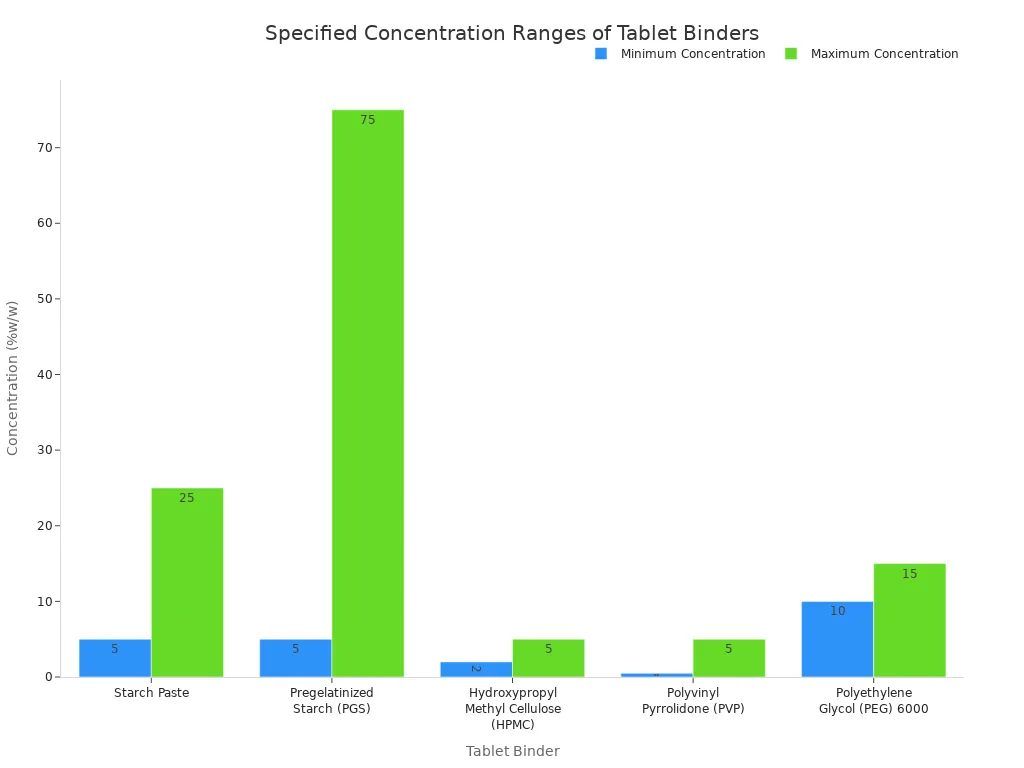
- Potential for a Bad Taste: Some tablets can leave a chalky or unpleasant aftertaste due to these binding agents.
Ultimately, the best of these delivery formats depends on what you value most for your health and lifestyle.
The debate over capsules vs powders vs tablets has no single winner. Your personal preferences determine the best of these delivery formats for your health. Choosing the right format for your supplements improves consistency.
Your Quick Guide to Choosing:
- High Doses? Choose powders.
- Tasteless Convenience? Pick capsules to avoid the taste of fish oils or herbs.
- Low Cost? Select tablets for the best value.
Making a choice that fits your lifestyle and budget helps you stick to your routine. This consistency is key to achieving your long-term health goals.
FAQ
Can I open capsules and mix the powder in a drink?
Yes, you can open most hard-shelled capsules. This action releases the powder inside. Mixing it with a drink can make the vitamins easier to take. However, this will expose you to the taste of the raw nutrients, which might be unpleasant.
Which form is best if I have trouble swallowing pills?
You have great alternatives if you cannot swallow pills.
- Powders mix easily into drinks.
- Chewable tablets offer a simple way to get your daily vitamins.
Both options provide an effective way to support your health without swallowing whole pills.
Do all vitamins come in all three forms?
No, not all vitamins are available in every format. The chemical properties of the nutrients often determine the best delivery method. For example, manufacturers usually sell fish oil in softgels to prevent oxidation and mask its strong taste and smell.
How do I know if my dietary supplement is high quality?
You can check for third-party certifications on the label. Organizations like NSF or USP test products for purity and potency. This verification ensures your vitamins provide the stated health benefits and are free from harmful contaminants, protecting your overall health and nutrient intake.