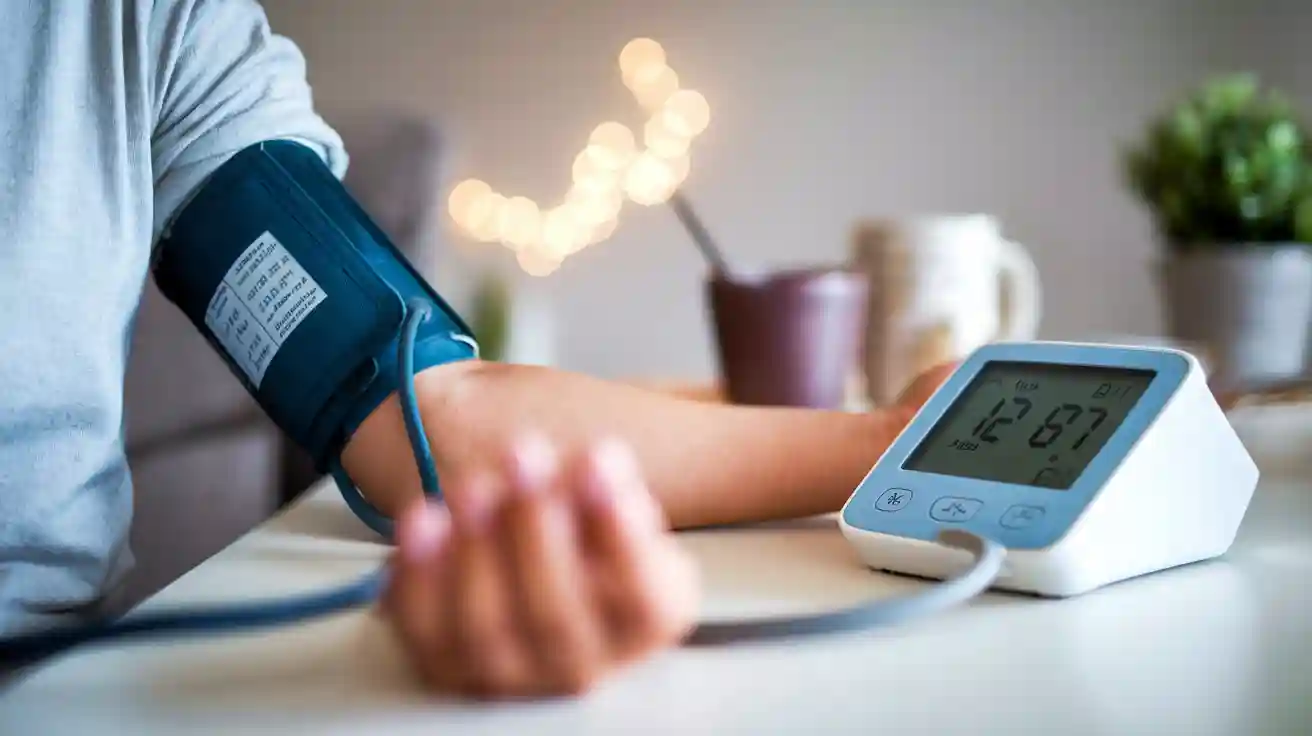
A blood pressure reading of 121/81 tells you that your numbers sit at the high end of the normal range. You may feel healthy, but this blood pressure reading shows you could face a greater risk for high blood pressure in the future. Understanding your blood pressure reading helps you stay healthy as you get older. When you keep checking blood pressure, you give yourself the best chance for a healthy life. Remember, even a normal blood pressure reading needs your attention.
Blood Pressure Reading Basics
Systolic vs. Diastolic
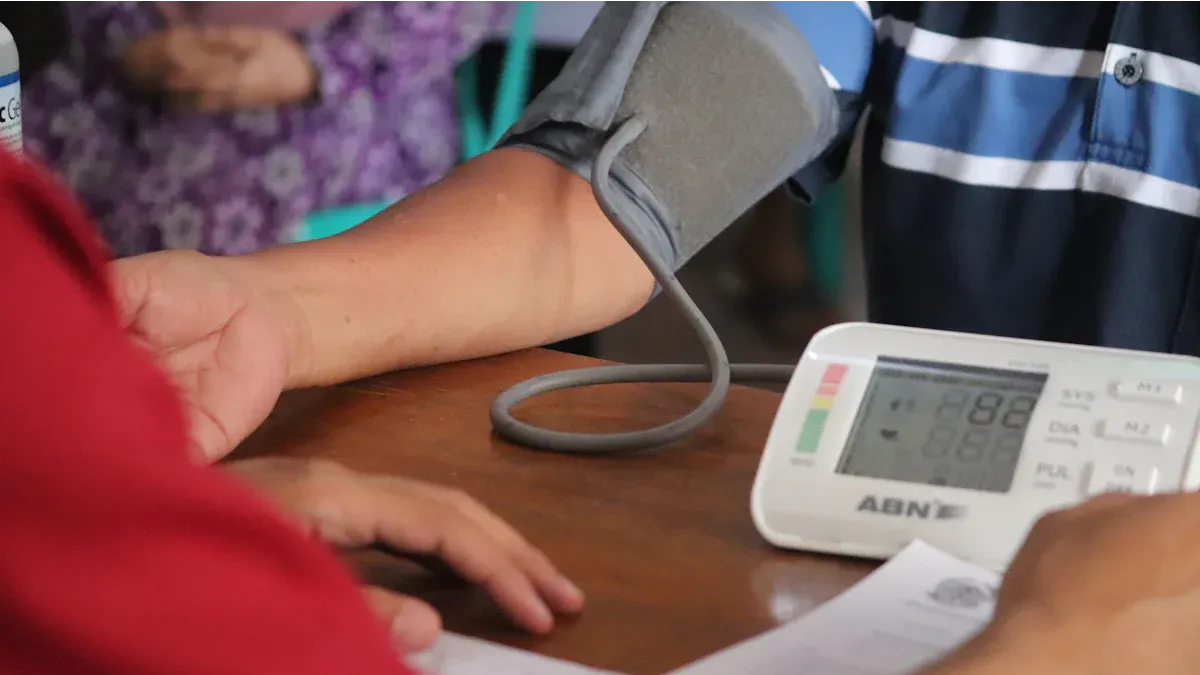
When you look at your blood pressure reading, you see two numbers. These numbers tell you about the force of blood moving through your arteries. The first number is called systolic blood pressure. This number shows how much pressure your blood puts on your artery walls when your heart beats. The second number is called diastolic blood pressure. This number tells you the pressure in your arteries when your heart rests between beats.
Here is a simple table to help you understand the difference:
| Blood Pressure Type | Definition |
|---|---|
| Systolic Blood Pressure | The first number, indicating the force of blood flow when the heart pumps blood out. |
| Diastolic Blood Pressure | The second number, measured between heartbeats when the heart is filling with blood. |
You need to pay attention to both numbers. If your systolic blood pressure is high, you may have a greater risk for heart problems, especially as you get older. If your diastolic blood pressure is high, you may face more risk when you are younger. The difference between these two numbers is called pulse pressure. Doctors use pulse pressure to check for heart conditions. Changes in this difference can signal health issues, so you should always monitor both numbers.
How Readings Are Taken
You can measure your blood pressure at home or in a clinic. To get the most accurate blood pressure reading, you need to follow some important steps. Health experts recommend these tips:
Tip: Always sit quietly for a few minutes before you check your blood pressure. Make sure your arm is at heart level.
Here is a table with some key recommendations:
| Recommendation | Comments |
|---|---|
| Sit comfortably with your back supported and legs uncrossed. | Crossing your legs or not supporting your back can change your blood pressure reading. |
| Support your arm at heart level. | If your arm is too high or too low, your blood pressure reading may not be correct. |
| Use the right cuff size. | A cuff that is too small or too large can give you the wrong blood pressure reading. |
| Do not talk during the measurement. | Talking can make your blood pressure go up. |
You should also remember these steps:
- Avoid caffeine, exercise, and smoking for at least 30 minutes before checking your blood pressure.
- Empty your bladder before you start.
- Remove any clothing from your upper arm.
- Rest quietly for five minutes before you take your blood pressure.
- Take your blood pressure while sitting with your feet flat on the floor.
When you follow these steps, you get a more accurate picture of your blood pressure levels. This helps you and your doctor make better choices for your health.
121/81 in Blood Pressure Categories
Normal, Elevated, and Prehypertension
You might wonder where your blood pressure reading of 121/81 fits in the official categories. Health experts use clear guidelines to help you understand your numbers. The table below shows the main blood pressure categories:
| Blood Pressure Category | Systolic (mm Hg) | Diastolic (mm Hg) |
|---|---|---|
| Normal | 120 or lower | 80 or lower |
| Elevated | 120 – 129 | Less than 80 |
| Stage 1 Hypertension | 130 – 139 | 80 – 89 |
| Stage 2 Hypertension | 140 or higher | 90 or higher |
| Hypertensive Crisis | Higher than 180 | Higher than 120 |
Your reading of 121/81 sits just above the normal blood pressure range. The systolic number falls into the elevated category, while the diastolic number is slightly above normal. Doctors used to call this range “prehypertension.” Now, guidelines group these readings as elevated or early hypertension. You do not have high blood pressure yet, but you are close to the threshold.
Many people have blood pressure readings in this range. Studies show that prehypertension affects a large part of the population. The chart below shows how common prehypertension is in different countries and groups:
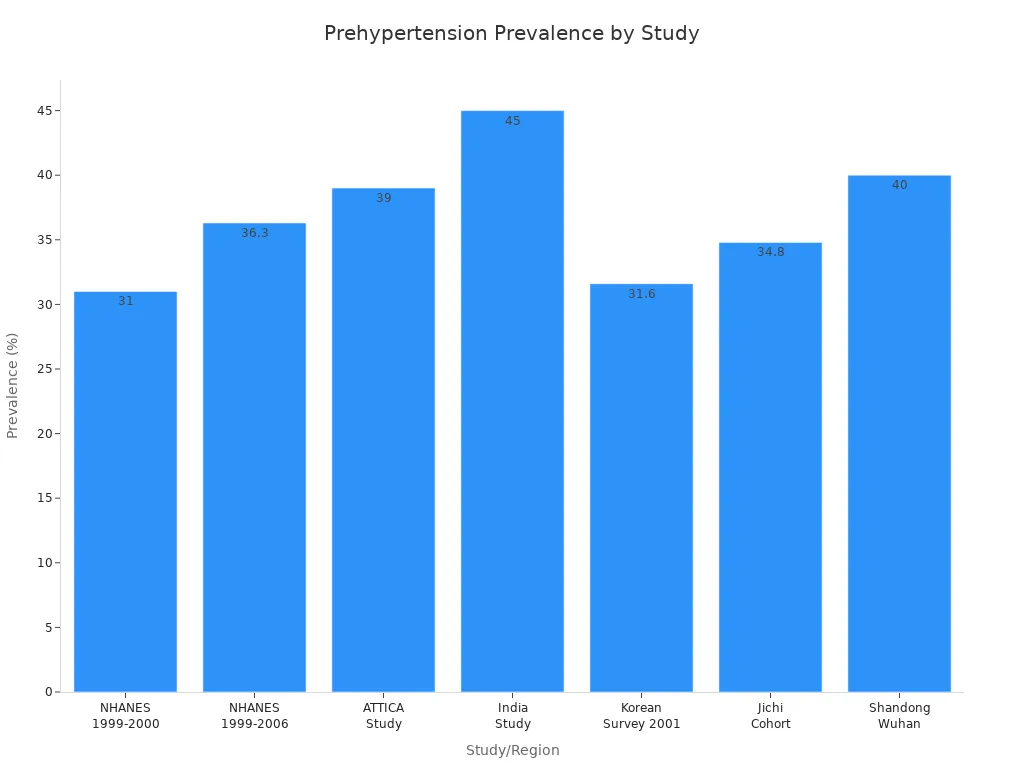
You see that more than 30% of adults worldwide have readings like yours. Men tend to have higher rates than women. In some regions, almost half of adults have prehypertension. This means you are not alone if your blood pressure sits at the high end of normal.
Health Risks of Prehypertension
You need to know what a blood pressure reading of 121/81 means for your health. Even though you do not have high blood pressure, you face a higher risk for problems than someone with low blood pressure. Doctors link prehypertension to a greater risk of stroke and heart disease.
- People with high-range prehypertension, such as 121/81, have a 95% higher risk of stroke compared to those with normal blood pressure.
- Those with low-range prehypertension still have a 44% higher stroke risk.
- The risk of cardiovascular disease rises as your blood pressure moves above normal.
The table below shows how your risk changes as your blood pressure increases:
| Condition | Hazard Ratio (HR) | 95% Confidence Interval (CI) |
|---|---|---|
| Prehypertension vs Normotension | 1.25 | (1.10-1.42) |
| Hypertension vs Normotension | 1.52 | (1.34-1.74) |
| Progression from Prehypertension to Hypertension | 1.72 | (1.37-2.16) |
You can lower your risk by making healthy changes early. Doctors recommend regular exercise, eating less salt, and keeping a healthy weight. These steps help you avoid high blood pressure and protect your heart. Age and sex also play a role. Older women may see bigger drops in blood pressure from exercise. Handgrip training can help, but results vary for men and women.
Tip: Start healthy habits now. You can keep your blood pressure in the normal range and lower your risk of stroke and heart disease.
You do not need to panic if your blood pressure is 121/81. You do need to pay attention. Small changes today can prevent big problems tomorrow. Keep checking your blood pressure and talk to your doctor if you see your numbers rising.
Health Implications of 121/81
What It Means for You
A blood pressure reading of 121/81 means your numbers are higher than normal, but you do not have high blood pressure yet. You sit in the prehypertension range. This range shows you have a greater chance of developing high blood pressure in the future. You need to pay attention to your blood pressure because it can affect your heart health and your risk for heart attack or heart failure.
You may feel healthy, but your blood pressure tells a different story. Doctors see that people with blood pressure in the prehypertension range often develop high blood pressure later. You want to keep your blood pressure in the healthy blood pressure range to protect your heart health. If you keep your blood pressure at 121/81 for a long time, you may face more health problems as you get older.
Here is a table that shows how blood pressure categories relate to health risks:
| Blood Pressure Category | Definition | Health Implications |
|---|---|---|
| Prehypertension | 121/81–139/89 mm Hg | Increased risk of hypertension and related health issues over time. |
| High Blood Pressure | ≥140/90 mm Hg | Significant health risks including cardiovascular diseases. |
You want to avoid moving from prehypertension to high blood pressure. Staying in the healthy blood pressure range helps you lower your risk for heart attack and heart failure.
Note: You can protect your heart health by keeping your blood pressure in the healthy blood pressure range.
When to Take Action
You should not wait until you have high blood pressure to make changes. If your blood pressure is 121/81, you need to start healthy habits now. You can lower your blood pressure and keep it in the healthy blood pressure range.
Doctors recommend these steps:
- Exercise regularly, such as walking or swimming.
- Eat more fruits and vegetables.
- Use less salt in your food.
- Keep a healthy weight.
- Check your blood pressure often.
Here is a table that shows when you should take action:
| BLOOD PRESSURE CATEGORY | SYSTOLIC mm Hg (upper number) | and/or | DIASTOLIC mm Hg (lower number) |
|---|---|---|---|
| NORMAL | Less than 120 mm Hg | and | Less than 80 mm Hg |
| ELEVATED | Between 120-129 mm Hg | and | Less than 80 mm Hg |
| STAGE 1 HYPERTENSION | Between 130-139 mm Hg | and/or | Between 80-89 mm Hg |
If your blood pressure moves above 121/81, you may need more help. Doctors may suggest medicine or special diets. Aerobic exercise and the DASH diet can help lower your blood pressure. You can also try resistance exercise and lifestyle changes.
| Intervention Type | Effect on Systolic BP | Effect on Diastolic BP |
|---|---|---|
| Aerobic Exercise (AE) | Yes | Yes |
| DASH Diet | Yes | No |
| Lifestyle Modification (LSM) | Yes | Yes |
You can keep your blood pressure in the healthy blood pressure range if you start now. You protect your heart health and lower your risk for high blood pressure.
Tip: Take action early. You can stay healthy and avoid problems with your blood pressure.
Blood Pressure Monitoring and Management
Home Monitoring Tips
You need to practice regular blood pressure monitoring to keep your numbers in check. Monitoring your blood pressure at home gives you a clear picture of your health. Home blood pressure monitoring helps you spot changes early and take action before problems start. You can use a digital monitor, which is easy and reliable for most people.
To get the most accurate blood pressure reading, follow these tips:
- Use a cuff that fits your arm properly. The right size gives you the best blood pressure reading.
- Sit on a straight-backed chair, not a sofa or bed. Keep your back straight and your feet flat on the floor.
- Rest quietly for at least five minutes before you start monitoring. Do not talk or use your phone during this time.
- Place the cuff on your bare upper arm at heart level. Do not measure over clothing.
- Avoid caffeine, exercise, or smoking for 30 minutes before checking your blood pressure.
- Empty your bladder before you begin.
- Keep your arm supported and relaxed on a flat surface.
Tip: Home blood pressure monitoring gives you important information that you cannot get from a single doctor’s visit. Regular monitoring helps you and your doctor make better decisions for your health.
You should write down your blood pressure readings each time you check. This record helps you see patterns and share results with your doctor. Monitoring your blood pressure at home is practical and gives results similar to more advanced tests.
When to See a Doctor
You should see a doctor if you notice changes in your blood pressure readings or if you have symptoms that worry you. Some warning signs mean you need medical help right away. Watch for:
- Persistent headaches
- Prolonged fatigue
- Difficulty breathing during normal activities
- Blurred vision
- Chest pain or discomfort
If you have chest pain, sudden breathlessness, or blurred vision with high blood pressure, seek urgent care. Regular monitoring helps you catch these problems early. You should also talk to your doctor if your blood pressure stays above the healthy range or if you have trouble keeping it under control.
Making healthy changes can lower your blood pressure. Try these steps:
- Make dietary changes by eating more fresh foods and fiber.
- Stop smoking to improve your health.
- Increase physical activity with regular exercise.
Blood pressure monitoring is a key part of staying healthy. You can protect your heart and lower your risk of future problems by paying attention to your blood pressure every day.
A blood pressure reading of 121/81 means you have a higher chance of developing hypertension. You can lower your risk by making healthy choices every day.
- Eat more vegetables, fruits, and whole grains.
- Exercise for at least 30 minutes most days.
- Limit alcohol and practice relaxation.
Regular blood pressure monitoring helps you catch changes early and improves control.
| Lifestyle Change | Systolic BP Reduction | Diastolic BP Reduction | |————————|———————-|———————–| | DASH diet | 11 mm Hg | 5.5 mm Hg | | Aerobic exercise | 5 mm Hg | 4 mm Hg |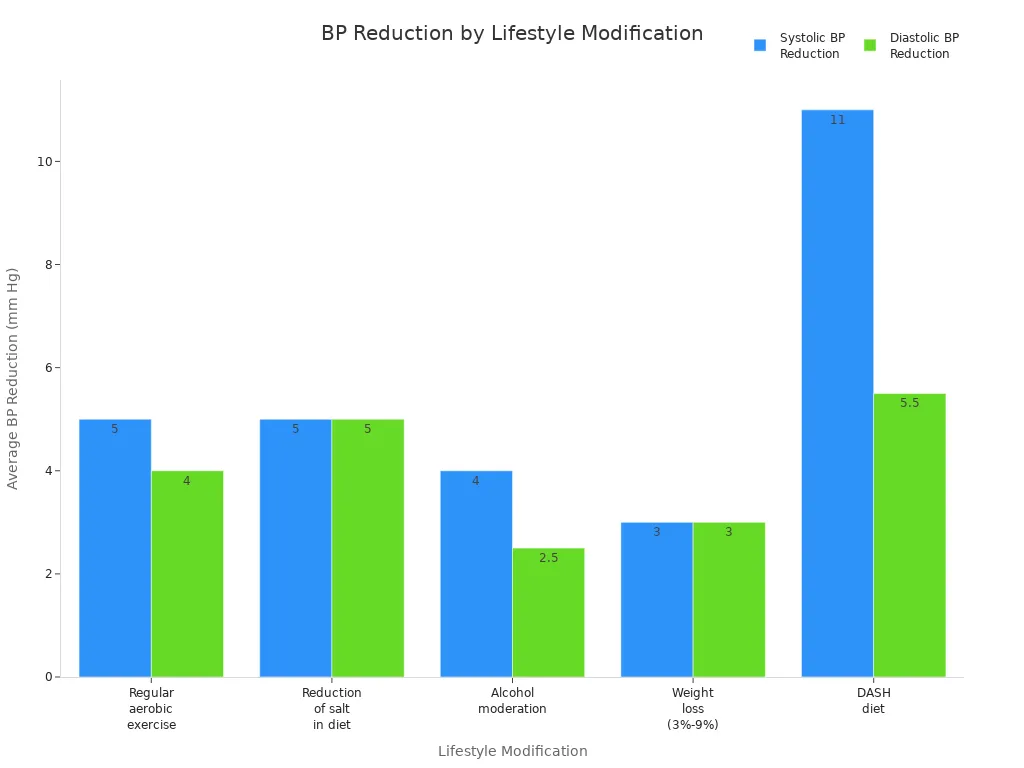
You should talk to your doctor if you feel concerned or notice changes in your blood pressure.
FAQ
What does a blood pressure reading of 121/81 mean?
You have a reading at the high end of normal. You do not have high blood pressure yet. You should watch your numbers and start healthy habits to lower your risk.
Should you worry about a 121/81 blood pressure reading?
You do not need to panic. You should pay attention. This reading shows you have a higher chance of getting high blood pressure later. Start making small changes now.
How often should you check your blood pressure at home?
You should check your blood pressure at least once a week. If your doctor suggests, you can check it more often. Write down your results to track changes over time.
Can you lower your blood pressure without medicine?
Yes! You can lower your blood pressure by eating healthy foods, exercising, and reducing salt. Try to keep a healthy weight. These steps help most people.
When should you see a doctor about your blood pressure?
Tip: See your doctor if your blood pressure stays above 120/80 or if you notice symptoms like headaches or chest pain. Your doctor can help you make a plan to stay healthy.