
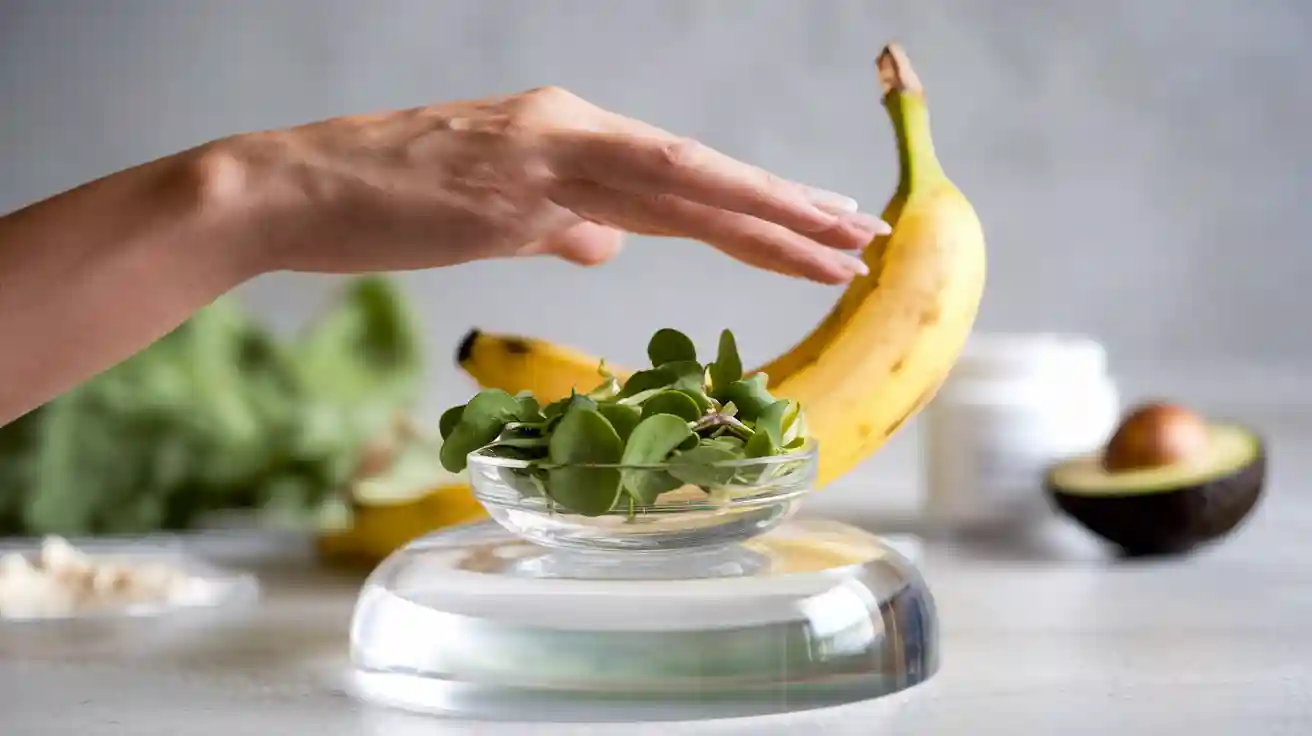
Are you sure you get all the Skin Benefits of Potassium? Potassium often gets overlooked in your daily skincare routine. You might notice dry or flaky skin, slow healing, or rough texture. Potassium helps control fluid balance in your skin cells and supports skin barrier function. It allows your skin to stay hydrated, absorb water, and heal faster.
| How Potassium Impacts Your Skin | Result |
|---|---|
| Controls fluid balance in skin cells | Prevents dryness and flakiness |
| Strengthens skin barrier | Locks in moisture |
| Aids water absorption | Reduces irritation |
| Supports healing | Improves recovery from dryness |
Skin Benefits of Potassium

Hydration and Water Balance
You need potassium to keep your skin hydrated and healthy. Potassium helps your skin cells hold water, which prevents dry skin and keeps your skin moisturised. When you have enough potassium, your skin can absorb water better and stay soft. Potassium also helps balance the pH of your skin, which soothes irritation and stops your skin from feeling rough or itchy.
The hydrating effect of potassium lactate is attributed to its ability to enhance the interaction between water molecules and the serine residue in the stratum corneum (SC). Potassium lactate treatment has been shown to alleviate symptoms of dry skin and increase the water retention capacity of the SC more effectively than sodium lactate.
Recent research demonstrated that potassium lactate plays a crucial role in maintaining the physical properties of the SC and significantly increases its water content. The study also revealed that potassium lactate enhances the water-holding capacity of the SC by improving the interaction between water molecules and the OH group of serine in keratin.
Potassium works with other ingredients to keep your skin barrier strong. This barrier locks in moisture and protects your skin from dryness.
| Component | Correlation with Hydration | Role in Skin Barrier |
|---|---|---|
| Potassium | Significant | Maintains hydration |
| Lactate | Significant | Restores hydration state |
If you want to enjoy the full skin benefits of potassium, you should make sure your skin gets enough cellular hydration every day.
Cell Renewal and Healing
Potassium helps your skin renew itself and heal faster. When your skin gets damaged, potassium supports the growth of new skin cells. This process helps your skin recover from blemishes, scars, and irritation. Potassium also strengthens your skin’s barrier, which stops water loss and keeps your skin healthy.
Potassium compounds, like potassium alum, boost the production of important proteins in your skin. These proteins help your skin hold onto moisture and prevent dry skin. You will notice smoother skin and fewer rough patches when you get enough potassium.
Potassium also helps wounds heal. Clinical studies show that potassium chloride and potassium-based treatments improve wound healing and blood vessel growth in skin.
| Study Focus | Findings | Implications |
|---|---|---|
| Potassium Chloride (KCl) Application | Enhanced wound healing in rat and pig models with 25 mM KCl | Suggests potential for improved healing in humans with adequate potassium levels |
| KGluc Treatment | Enhanced angiogenesis during wound healing | Indicates that potassium may play a role in improving blood vessel formation in wounds |
If you want to see the skin benefits of potassium, you should pay attention to how quickly your skin heals and how smooth it feels.
Collagen and Firmness
Potassium supports collagen production, which keeps your skin firm and elastic. Collagen is a protein that gives your skin structure and helps reduce wrinkles. Potassium ascorbate, a form of potassium combined with vitamin C, is important for collagen synthesis.
- Vitamin C is vital for collagen synthesis, which is necessary for skin health.
- A deficiency in vitamin C can lead to impaired skin healing and increased fragility.
- Supplementation with vitamin C, including potassium ascorbate, can improve skin appearance and reduce wrinkles.
- Potassium ascorbate combines potassium with vitamin C, which is essential for collagen synthesis.
- Collagen is crucial for maintaining skin structure and elasticity, helping to reduce wrinkles.
- Potassium supports new skin cell growth, aiding in the healing of blemishes and scars.
Potassium also affects your skin’s firmness and elasticity. Studies show that higher potassium intake improves skin elasticity, especially in people under 40. You will notice firmer, more youthful skin when you get the full skin benefits of potassium.
- Higher potassium intake is linked to decreased skin firmness.
- Increased potassium intake is associated with improved skin elasticity.
If you want to keep your skin looking young and healthy, you should focus on getting enough potassium. The skin benefits of potassium include better hydration, faster healing, and stronger, more elastic skin. You can prevent dry skin, soothe irritation, and keep your skin moisturised by making potassium part of your daily routine.
Signs of Potassium Deficiency in Skin

Dryness and Irritation
You may notice your skin feels dry or irritated if you have low potassium. Potassium helps your skin cells hold water and keeps your skin barrier strong. When you do not get enough potassium, your skin can lose moisture and become flaky or rough. This makes your skin more likely to feel itchy or sensitive.
- Potassium keeps fluid balanced in your skin cells and prevents dryness.
- Low potassium can disrupt this balance, leading to dry and flaky skin.
- Potassium supports your skin barrier, which locks in moisture and protects against irritation.
Dermatologists often see these signs of low potassium:
- Dry skin
- Tendency to acne
- Possible hair loss
If you notice these changes, you might want to check your potassium intake.
Slow Healing
Your skin needs potassium to heal quickly. When you have low potassium, your skin may take longer to recover from cuts, scrapes, or blemishes. Potassium helps your skin cells grow and move to repair damage. If you have potassium deficiency, you may see wounds that heal slowly or scars that last longer.
- Potassium channels in your skin cells help them multiply and move during healing.
- Low potassium can slow down this process and delay skin healing.
- Potassium channel blockers can actually speed up healing by helping skin cells work better.
If you notice that your skin takes a long time to heal, this could be one of the signs of low potassium.
Uneven Tone
Potassium also affects your skin’s color and evenness. Some forms of potassium can help control melanin, the pigment that gives your skin its color. When you have low potassium, you may see uneven patches or dullness.
| Evidence Type | Description |
|---|---|
| Mechanism of Action | Potassium 4-methoxysalicylate (4MSK) lowers melanin in skin cells and helps new skin cells form. |
| Clinical Findings | Creams with 4MSK can make both dark and light areas of the skin look brighter. |
| Study Design | Researchers tested this in a double-blind, split-face, placebo-controlled study. |
If you see uneven tone or dullness, you may want to think about your potassium levels. Low potassium can affect how your skin looks and feels every day.
How to Boost Potassium for Better Skin
Dietary Sources
You can improve your skin by eating foods that are high in potassium. Potassium helps your skin cells stay hydrated and supports healing. Most people do not get enough potassium every day. Less than 2% of adults in the United States meet the recommended daily intake. You should aim for 3,500 to 4,700 mg of potassium each day to support your skin and overall health.
Here are some foods that give you the most potassium:
- White beans
- Potatoes (especially with skin)
- Beets
- Parsnips
- Spinach
- Swiss chard
- Tomatoes
- Oranges
- Bananas
- Avocados
- Yogurt
- Clams
- Salmon
- Coconut water
You can add these foods to your meals to help your skin look and feel better. Try building your breakfast the night before with yogurt, bananas, or oranges. Organize your groceries by recipe to make meal kits. Prepare double batches of potassium-rich dishes for quick meals. You can also plan meals around recipes that use sweet potatoes, cooked spinach, or leafy greens.
Tip: Eating a variety of plant foods and fish, such as salmon or tuna, gives your skin the potassium it needs to stay healthy.
Pumpkin Seed Oil for Skin
Pumpkin seed oil is a powerful hydrator and a rich source of potassium. You can use pumpkin seed oil as a topical treatment or add it to your diet. Virgin pumpkin seed oil contains more potassium than most other oils. Austrian pumpkin seed oil has about 85.470 mg/kg, Slovenian oil has 42.397 mg/kg, and Croatian oil has 20.206 mg/kg. This makes pumpkin seed oil a great choice for boosting potassium in your skin care routine.
Pumpkin seed oil hydrates and nourishes your skin. It helps clear blemishes and supports skin elasticity. The essential fatty acids in pumpkin seed oil lock in moisture and reduce dryness and fine lines. Studies show that pumpkin seed oil improves skin hydration and elasticity. People who use products with pumpkin seed oil notice fewer wrinkles and a plumper, healthier skin appearance.
- Pumpkin seed oil is rich in zinc and essential fatty acids.
- It helps lock in moisture, improving skin elasticity.
- You can use pumpkin seed oil to make your skin look and feel healthier.
Note: Pumpkin seed oil works well as a topical hydrator. You can apply a few drops to your face or mix it with your favorite moisturizer.
Daily Intake Tips
You can boost potassium for better skin by combining dietary and topical sources. A balanced diet with plenty of fruits and vegetables gives your skin the potassium it needs. You can also use products with potassium compounds, such as potassium azeloyl diglycinate or potassium alum, to help manage acne and improve skin texture.
Here are some easy ways to increase potassium for your skin:
- Eat bananas, oranges, cooked spinach, sweet potatoes, and yogurt.
- Add cantaloupe, grapefruit, potatoes, and leafy greens to your meals.
- Use pumpkin seed oil as a topical treatment or in salad dressings.
- Choose whole foods over supplements for the best results.
You can support your skin by planning meals and snacks that include potassium-rich foods. Try preparing breakfast the night before or making double batches of recipes. You can organize your groceries by recipe to make meal kits and save time.
Remember: Most people do not get enough potassium. You can help your skin by eating more potassium-rich foods and using topical products like pumpkin seed oil.
A diet high in potassium can also help lower blood pressure, protect your bones, and reduce the risk of kidney stones. You should focus on fruits and vegetables instead of potassium chloride supplements. Combining dietary potassium with topical treatments, such as pumpkin seed oil, gives your skin the best chance to stay hydrated, firm, and healthy.
You can give your skin the best chance to stay healthy by focusing on potassium. This mineral helps your skin barrier, keeps hydration balanced, and supports healing. Check the table below to see how potassium supports your skin:
| Key Role of Potassium in Skin Health | Description |
|---|---|
| Skin Barrier Integrity | Potassium helps maintain the skin’s barrier, preventing water loss and protecting against external aggressors. |
| Hydration | It regulates fluid balance within cells, ensuring skin remains moisturized and preventing dryness. |
| Elasticity | Supports collagen synthesis, essential for skin firmness and reducing wrinkles. |
| Acne Management | Potassium compounds like PAD help reduce oil production and manage acne without causing dryness. |
| Regenerative Processes | Aids in the growth of new skin cells, contributing to healing and a smoother complexion. |
- Try adding more potassium-rich foods to your meals.
- Use topical products with potassium for extra skin support.
- Ask your healthcare provider if you have concerns about your potassium levels.
Small changes can help your skin look and feel better every day.
FAQ
How does potassium help your skin stay hydrated?
Potassium helps your skin cells hold water. This keeps your skin soft and prevents dryness. You will notice smoother skin when you get enough potassium.
Can you get enough potassium from food alone?
You can meet your potassium needs by eating fruits, vegetables, and dairy. Foods like bananas, potatoes, and spinach give you plenty of potassium.
Is pumpkin seed oil safe for all skin types?
Pumpkin seed oil works well for most skin types. You can use it to hydrate your skin and reduce dryness. Always test a small area first.
What signs show you need more potassium for your skin?
You may see dry patches, slow healing, or uneven skin tone. These signs mean your skin might need more potassium.