

Your local Asian market holds a secret to better health: a world of delicious and budget-friendly fermented foods. Fermentation is a natural process that creates beneficial bacteria essential for gut health. These probiotic-rich foods often provide a wider variety of gut-friendly bacteria than supplements, making them a superior source of probiotics.
Did you know? Around 70% of your immune system lives in your gut!
You can join a massive global trend by adding simple fermented add-ons to your meals. This is an easy way to get more beneficial bacteria and boost your daily probiotics with powerful fermented foods. 🍽️
Kimchi
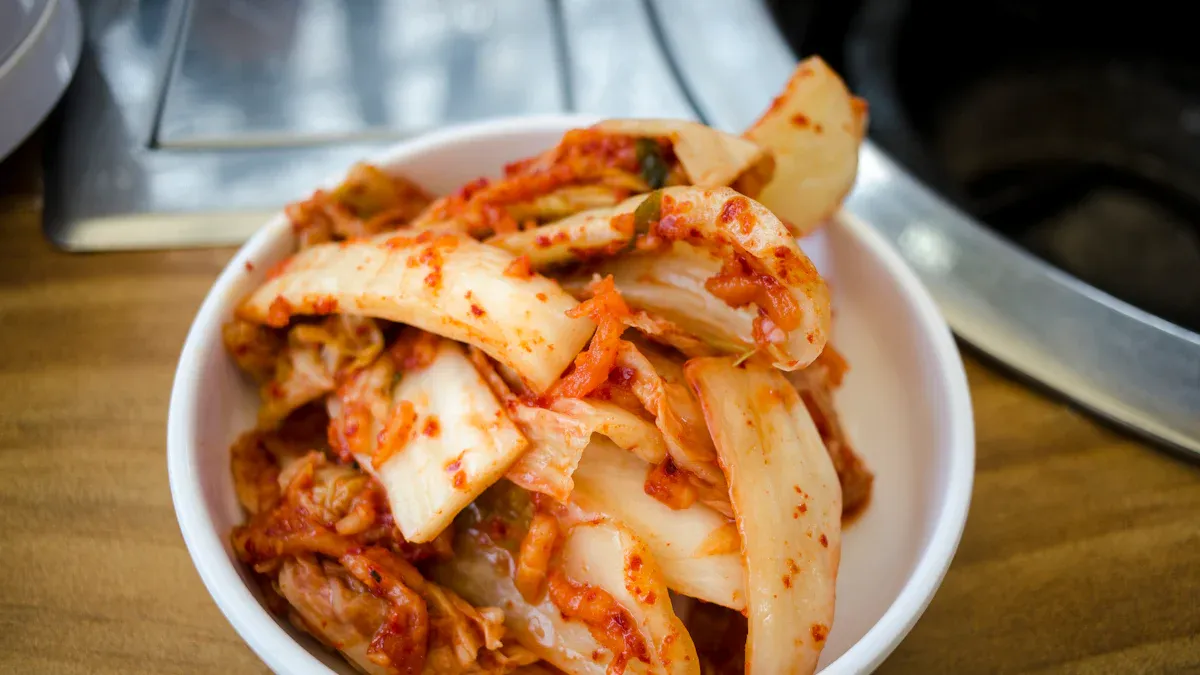
Get ready to meet Korea’s national dish! Kimchi is a traditional side dish made from salted and fermented vegetables. It has been a staple of Korean cuisine for thousands of years. The communal tradition of making it, called Kimjang, is even recognized as a UNESCO Intangible Cultural Heritage. This highlights how important kimchi is to Korean culture.
What It Is
At its heart, kimchi is a product of lacto-fermentation. This natural process gives it a signature tangy flavor and packs it with beneficial probiotics. The method is simple but effective. First, vegetables like napa cabbage are brined in salt to kill off bad bacteria. Then, good bacteria get to work, converting sugars into lactic acid.
The most common ingredients you’ll find in traditional kimchi are:
- Napa cabbage
- Salt
- Garlic and ginger
- A touch of sugar
- Fish sauce or shrimp paste
- Gochugaru (Korean red pepper flakes)
- Scallions
This combination creates a complex flavor that is spicy, sour, and savory all at once. It’s one of the most dynamic fermented foods you can add to your diet.
How to Use It
You can easily incorporate kimchi into your daily meals. It adds a spicy, acidic kick that brightens up rich or savory dishes. In Korea, it’s served with almost every meal. Here are a few simple ways you can start using it:
- Serve it as a simple side dish with rice or noodles.
- Chop it up and mix it into scrambled eggs or an omelet.
- Add it to fried rice for an instant flavor boost.
- Use it to make a savory Korean pancake called Kimchi-buchimgae.
Pro Tip: The liquid in the kimchi jar is full of flavor and probiotics! Don’t throw it out. You can use it as a base for salad dressings or to season soups and stews.
Key Benefits
The primary health benefits of kimchi come from its rich supply of probiotics. These live microorganisms support a healthy gut, which is crucial for your overall immune system. Eating kimchi is a delicious way to diversify the good bacteria in your gut. Beyond its gut-friendly bacteria, this superfood is also low in calories and high in fiber and essential nutrients. Adding this flavorful food to your plate is a simple step toward better wellness.
Miso
Next up is a powerhouse of Japanese cuisine: miso! This savory paste has been a staple in Japan for over a thousand years, originally enjoyed by the upper class before becoming a household essential. You can easily find this gem in most Asian grocery stores. Look for popular brands like Hikari to get started.
What It Is
Miso is a traditional paste made by fermenting soybeans with salt and a fungus called kōji. Sometimes, other ingredients like rice or barley are added. This process creates a rich, umami flavor and makes it one of the most versatile fermented foods. There are many types of miso, but you will most likely see these three:
| Miso Type | Flavor Profile | Best For |
|---|---|---|
| White (Shiro) Miso | Sweet and mild | Soups, dressings, and light marinades |
| Red (Aka) Miso | Salty and bold | Hearty stews and rich marinades |
| Mixed (Awase) Miso | Versatile and balanced | Almost any dish! |
How to Use It
You might think of miso soup first, but this paste can do so much more! It adds a wonderful depth of flavor to countless dishes. To preserve its beneficial probiotics, you should add miso at the end of cooking and avoid boiling it.
Ready to experiment? Here are some simple ideas:
- Whip up a zesty Kale Salad with Miso-Lemon Vinaigrette.
- Glaze eggplant or chicken wings for a savory, caramelized finish.
- Stir a spoonful into your favorite pasta sauce for a creamy umami boost.
- Mix it with tahini and spread it on avocado toast. 🥑
Key Benefits
The health benefits of miso are impressive. Like other fermented foods, miso is packed with probiotics that support your gut health. It is also a complete protein and a great source of vitamins E and K.
Additionally, miso contains plant compounds called isoflavones. Some research suggests a link between high consumption of soy paste and a reduced risk of breast cancer. These isoflavones can interact with estrogen pathways in your body. Adding a little miso to your meals is a simple and delicious way to boost your nutrient intake.
Sauerkraut
Let’s travel to Central Europe for our next fermented favorite: sauerkraut! While its name is German for “sour cabbage,” this dish has a history stretching back to the ancient Romans. It became a staple food because it was a brilliant way to preserve cabbage for the long, cold winter months. This provided a crucial source of nutrients when fresh vegetables were hard to find.
What It Is
Sauerkraut is simply finely shredded cabbage that has been fermented with salt. The process is straightforward. You layer the cabbage with salt in a special container called a fermentation crock. The salt draws out water from the cabbage, creating a brine that kills harmful bacteria. Good bacteria then get to work, fermenting the sugars in the cabbage and creating beneficial probiotics.
Did you know? A simple trick for making sauerkraut at home is to place whole cabbage leaves on top of the shredded cabbage. This creates a protective barrier that you can easily remove after fermentation.
This method preserves the cabbage and gives it its signature tangy flavor. It’s one of the most classic fermented foods you can find.
How to Use It
You can do so much more with sauerkraut than just topping a hot dog! It adds a zesty, acidic crunch that cuts through rich and fatty foods. It’s a cornerstone of many German and Eastern European dishes. Ready to give it a try?
- Serve it warm alongside bratwurst or roast pork.
- Mix it into a hearty sausage and potato casserole.
- Add it to a vegan stew with beans for a smoky, tangy flavor.
- Try making savory potato and sauerkraut pancakes. 🥞
Key Benefits
Like other fermented foods, sauerkraut is a fantastic source of probiotics. These live cultures help support a healthy gut microbiome, which is essential for good digestion and a strong immune system. Sauerkraut is also low in calories but high in fiber, vitamin C, and vitamin K. Adding this crunchy, tangy condiment to your meals is an easy and delicious way to boost your health.
Kefir
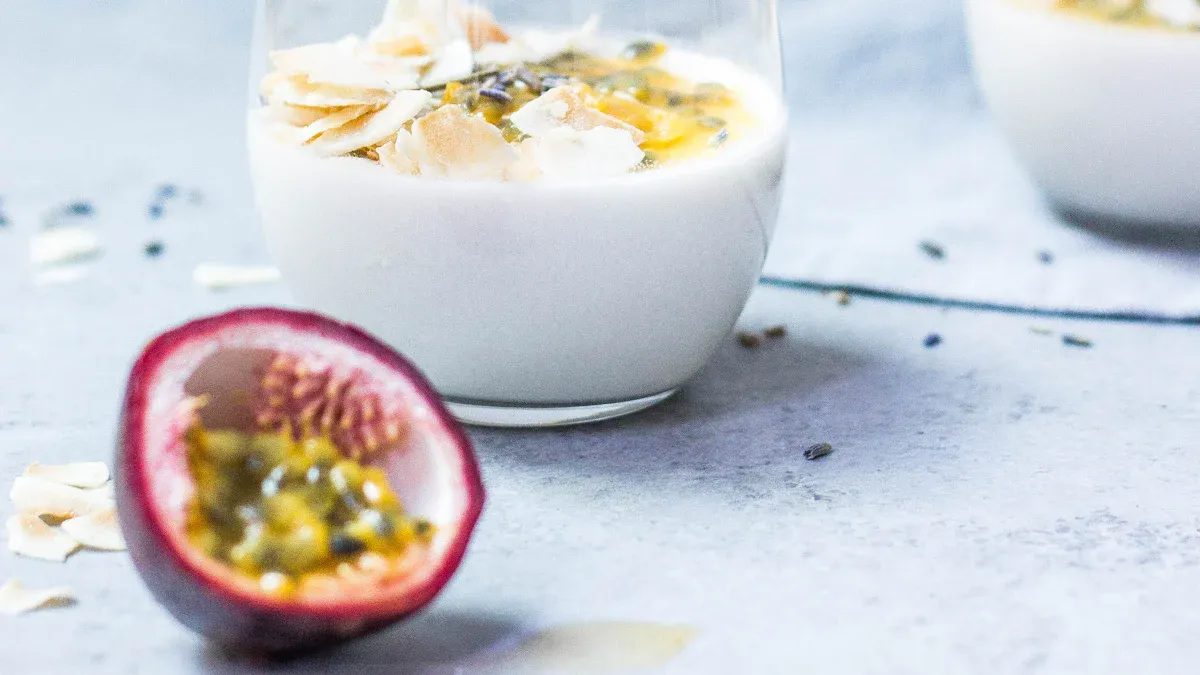
Get ready to meet a tangy, creamy, and drinkable probiotic powerhouse! Kefir is a fermented drink with roots in the Caucasus Mountains. It’s like a cousin to yogurt but with a thinner consistency and a unique fizziness. This makes it one of the most refreshing fermented beverages you can try.
What It Is
Kefir is made using “kefir grains,” which aren’t actual grains at all. They are small, gelatinous clusters that look like tiny cauliflower florets. These grains are a living colony of beneficial bacteria and yeasts that work together.
What do the grains do? They act as the starter culture! When you add them to milk, the microorganisms get to work, fermenting the milk’s sugars. This process creates the tangy flavor, slight carbonation, and rich supply of probiotics that make kefir special.
How to Use It
You can simply drink kefir on its own, but its tangy flavor also makes it a fantastic ingredient in the kitchen. You can use it to add a creamy, probiotic boost to many of your favorite meals.
Here are a few ideas to get you started:
- Blend it into a tropical Coconut Kefir Smoothie for a nourishing start to your day.
- Use it as a marinade for a Kefir-Marinated Roast Chicken to make the meat incredibly juicy and flavorful.
- Whip up a creamy dill salad dressing. Just whisk plain kefir with a little sour cream, Dijon mustard, and fresh dill.
Key Benefits
The health benefits of kefir are truly impressive. Like other fermented foods, it is loaded with diverse strains of probiotics that support your gut health and immune system. But the benefits don’t stop there!
Kefir is a great source of calcium and vitamin K2, which are both essential for strong bones. Studies suggest kefir can help your body absorb calcium better, which may improve bone density. Worried about lactose? The fermentation process significantly reduces the lactose in milk. The helpful bacteria in kefir also produce enzymes that help you digest any remaining lactose, making it a great option for many people with lactose intolerance.
Yogurt
You probably already have this one in your fridge! Yogurt is one of the most popular fermented foods in the world, and for good reason. It’s creamy, versatile, and a fantastic way to get your daily dose of probiotics.
What It Is
Yogurt is made by fermenting milk with a starter culture of friendly bacteria. This process thickens the milk and gives yogurt its classic tangy taste. The primary bacteria used are typically:
- Lactobacillus bulgaricus
- Streptococcus thermophilus
Many brands also add extra beneficial strains like Bifidobacterium to boost the probiotics. You’ve likely seen different types at the store, especially Greek yogurt. Have you ever wondered what the difference is? It all comes down to straining.
| Feature | Greek Yogurt | Regular Yogurt |
|---|---|---|
| Production | Strained multiple times to remove whey | Strained less or not at all |
| Texture | Thicker and much creamier | Lighter with a thinner consistency |
| Protein | Higher in protein | Lower in protein |
| Sugar | Lower in natural sugars (lactose) | Higher in natural sugars |
How to Use It
Think beyond your morning parfait! Plain yogurt is an amazing ingredient in savory dishes. You can use it to add creaminess and a tangy flavor to all sorts of meals.
Ready to try something new?
- Build a savory yogurt bowl. Start with a base of Greek yogurt and top it with olive oil, everything bagel seasoning, a hard-boiled egg, and sliced cucumbers.
- Whip up a simple minted yogurt sauce to serve with grilled meats or vegetables.
- Use it as a base for a creamy salad dressing instead of mayonnaise.
Pro Tip: When you cook with yogurt, add it at the end over low heat. High temperatures can harm the live probiotics.
Key Benefits
The health benefits of yogurt are widely celebrated. It is an excellent source of calcium for bone health and is packed with live cultures that support your gut. The probiotics in yogurt can help improve your lipid and cholesterol profiles, which is great for your heart. Some studies suggest that regular consumption of probiotic foods may contribute to better cardiovascular health by helping to manage weight and support a healthy gut microbiota. Adding this simple food to your diet is an easy step toward better wellness.
More Asian Fermented Add-ons
Ready to explore even more flavor? These unique fermented add-ons from across Asia can bring exciting new tastes to your kitchen while boosting your intake of beneficial probiotics.
Gochujang
You may have seen this vibrant red paste in your local market. Gochujang is a staple of Korean cooking, made from red chili peppers, glutinous rice, fermented soybeans, and salt. It delivers a complex flavor that is truly one-of-a-kind. You can expect a mix of:
- Spicy heat from the chili peppers
- Savory umami from the fermented soybeans
- Subtle sweetness to balance everything out
- Earthy and tangy notes from the fermentation process
This paste is perfect for adding a spicy, savory kick to marinades, stews, and dipping sauces.
Tempeh
Let’s talk about a protein-packed superstar from Indonesia. Tempeh is a firm cake made from fermented soybeans. The production process is fascinating and involves a few key steps:
- Soaking the soybeans
- Cooking the beans
- Inoculating them with a starter culture (Rhizopus)
- Allowing them to ferment into a solid cake
This process makes tempeh one of the most nutritious fermented foods available. It packs around 20 grams of protein in a 3-ounce serving, which is more than tofu and similar to chicken breast! The fermentation also makes the protein easier for your body to digest. You can slice it, cube it, or crumble it to use as a meat substitute in stir-fries, sandwiches, and salads.
Doubanjiang
Travel with us to Sichuan, China, to meet Doubanjiang. This is a coarse, salty paste made from fermented broad beans and chilis. It is known as the soul of Sichuan cuisine for a reason! It’s the key ingredient in famous dishes like Mapo Tofu and Twice-Cooked Pork.
While it’s traditionally used in braises, you can use a small dollop to supercharge a stir-fry or create an incredible grilling marinade.
Its deep, savory, and spicy flavor adds an unmatched depth to any dish. A little bit of this powerful paste goes a long way in transforming your meals. It’s one of the most impactful fermented add-ons you can keep in your pantry.
Choosing the Healthiest Fermented Foods
Navigating the grocery store for the healthiest fermented foods can feel tricky. Not all fermented products are created equal when it comes to probiotics. You can make smarter choices by learning how to read the labels. This will help you get the most beneficial bacteria from your food.
Check for “Live and Active Cultures”
When you shop for yogurt or other dairy products, look for a special seal. The “Live and Active Cultures” (LAC) seal is a great sign. It tells you the product is packed with beneficial bacteria.
To earn the LAC seal, a yogurt must have at least 100 million cultures per gram when it’s made. That’s ten times more than the minimum government standard!
This label ensures you’re getting a high concentration of gut-friendly bacteria. For other probiotic-rich foods, the label might say “contains live and active cultures.” This generally means the food had at least 10 million beneficial bacteria per gram at the time of manufacture.
Reading Labels on Fermented Foods
Reading the ingredient list is your next best move. You want to find products with simple, recognizable ingredients. For sauerkraut, the list should just be cabbage and salt. For yogurt, look for milk and bacterial cultures. Be cautious of added sugars, artificial flavors, or preservatives. These can take away from the health benefits. Choosing the healthiest fermented foods often means picking the ones with the shortest ingredient lists. These simple probiotic-rich foods deliver powerful beneficial bacteria without unnecessary additives.
Why Unpasteurized Matters
Have you ever seen the word “unpasteurized” on a label? This is a key term when you’re hunting for beneficial bacteria. Pasteurization is a heat process that kills bacteria to make products last longer on the shelf. Unfortunately, this heat also destroys the helpful probiotics.
Here’s what you get with different types of fermented foods:
- Unpasteurized: Contains live, active beneficial bacteria. This is what you want!
- Pasteurized: The beneficial bacteria have been inactivated by heat.
- Pasteurized with added probiotics: The original cultures are gone, but new ones were added back in after the heat treatment.
For the biggest probiotic punch, always choose raw or unpasteurized fermented foods when you can. This ensures you are getting the live beneficial bacteria that your gut loves.
You’ve now explored a world of delicious fermented foods, including versatile fermented add-ons like kimchi and kefir. Adding these simple fermented add-ons to your meals is an easy way to boost your daily probiotics. Why not pick one new food from the list to try this week? Experiment! 🍽️
What’s your go-to fermented food? Share your favorite finds and how you use them in the comments below!
FAQ
How much fermented food should I eat daily?
Start with a small serving each day. A spoonful of kimchi or a splash of kefir is a great beginning. You can gradually increase the amount as your body gets used to the new beneficial bacteria. Listen to your body!
Can you eat too many fermented foods?
Yes, you can have too much of a good thing! Eating a lot at once might cause some temporary bloating or gas. This is just your gut adjusting. Find the amount that feels right for you.
What’s the difference between probiotics and prebiotics?
Think of it this way:
- Probiotics are the good bacteria.
- Prebiotics are the fiber that feeds those good bacteria!
You can find prebiotics in foods like garlic, onions, and bananas. 🍌
Do I still need a probiotic supplement?
Fermented foods often give you a wider variety of bacteria than supplements. For many people, food is enough! However, you should always chat with your doctor to see what’s best for your personal health needs.