
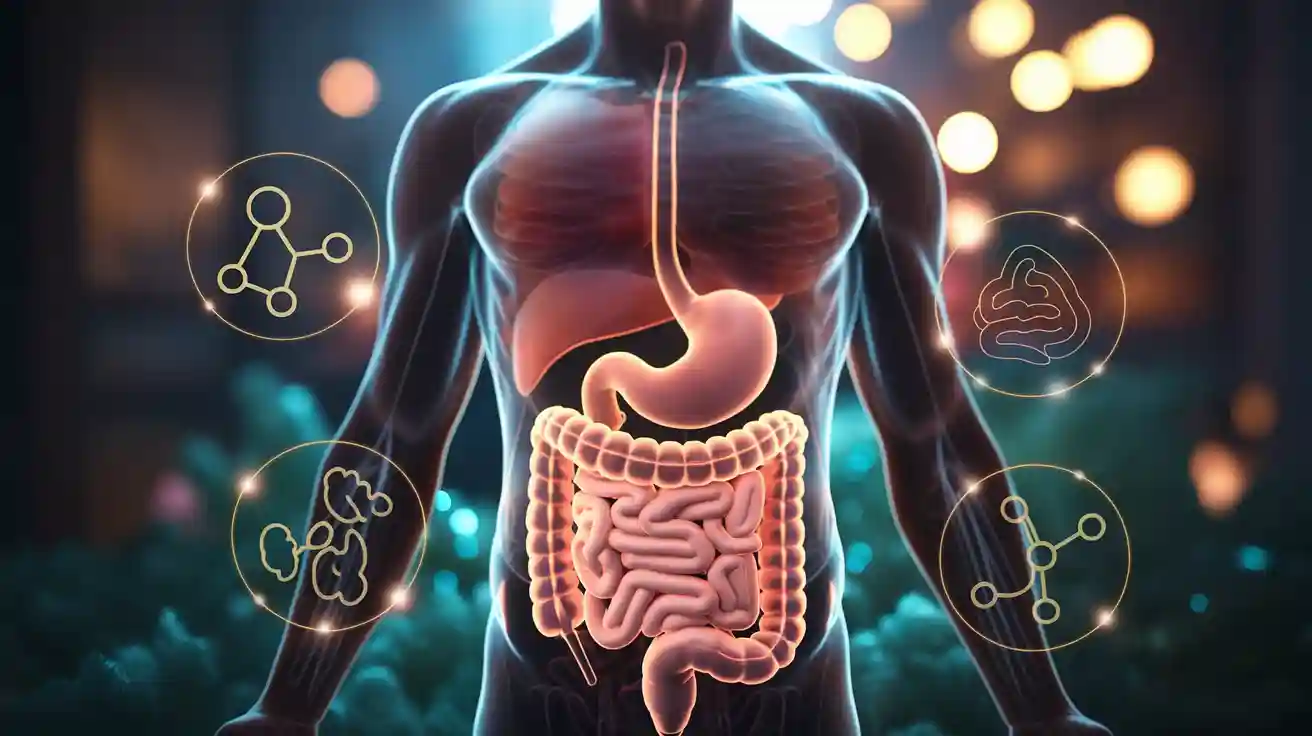
Have you ever wondered why your stomach sometimes feels bloated or why you don’t always feel your best after eating? You’re not alone—up to 96% of people with IBS and almost a third of adults deal with bloating or poor nutrient absorption. Here’s where the benefits of amylase come in. Amylase helps break down carbs, reduces bloating, and supports your gut microbiome. When you pair amylase with other enzymes like lipase and bromelain, you may notice smoother digestion and more energy. A recent study even found that amylase can boost good gut bacteria while lowering harmful ones.
What Are Digestive Enzymes?
You might wonder what actually happens to your food after you take a bite. The answer? Your body relies on digestive enzymes to break down everything you eat. These enzymes act like tiny helpers, making sure your body can absorb nutrients from your meals. Without enough digestive enzymes, you might feel sluggish, bloated, or just not your best.
Here’s a quick look at some of the main digestive enzymes and what they do:
| Type of Enzyme | Function |
|---|---|
| Amylases | Split carbohydrates into simple sugars like glucose |
| Lipases | Split fatty acids into fats and oils |
| Proteases/Peptidases | Split proteins into small peptides and amino acids |
| Nucleases | Split nucleic acids into nucleotides |
Your body produces digestive enzymes in several places. You start breaking down food in your mouth, thanks to your salivary glands. The process continues in your stomach and small intestine, where more enzymes from your pancreas and other glands join in. Each enzyme has a special job, and together, they make digestion smooth and efficient.
Amylase
Amylase is one of the most important digestive enzymes for breaking down carbohydrates. When you chew bread or pasta, amylase in your saliva starts working right away. It breaks down starches and complex carbs into simpler sugars. This process continues in your small intestine with help from pancreatic amylase. By the time your food reaches your gut, amylase has turned most carbs into glucose, which your body uses for energy. Unlike other digestive enzymes, amylase focuses only on carbohydrates, making it unique in the digestive process.
Lipase
Lipase is another key digestive enzyme. It helps your body handle fats. Lipase starts working in your mouth and stomach, but most of its action happens in your small intestine. Here, lipase splits fats into fatty acids and oils, making them easier to absorb. If you ever feel heavy or uncomfortable after eating something greasy, your body might need more lipase. This enzyme works alongside others to make sure you get the most out of the fats in your diet.
Bromelain
Bromelain is a special digestive enzyme found in pineapples. It helps break down proteins into smaller pieces, which your body can then use to build muscle and repair tissues. Bromelain isn’t made by your body, but you can get it from certain foods or supplements. People often use bromelain to support digestion, especially after eating protein-rich meals. It works well with other digestive enzymes to keep your gut feeling good.
Tip: When your body has enough digestive enzymes like amylase, lipase, and bromelain, you’re more likely to feel energized and comfortable after meals.
Benefits of Amylase for Digestive Health
Carbohydrate Breakdown
Have you ever wondered why some people can eat a big bowl of pasta and feel great, while others feel sluggish? The answer often comes down to digestive enzymes, especially amylase. This enzyme helps you break down foods like bread, rice, and potatoes into simple sugars your body can use for energy. When you chew, amylase in your saliva starts working right away. Your body keeps breaking down carbs in your gut with help from pancreatic amylase.
Let’s look at how amylase works in your digestive system:
| Evidence Description | Details |
|---|---|
| Role of Amylase | Salivary α-amylase initiates starch digestion in the mouth. |
| Genetic Variations | Variations in the AMY1 gene affect salivary amylase levels and activity. |
| Impact on Digestion | Higher AMY1 copy number correlates with improved starch digestion. |
You get the most benefits of amylase when your body produces enough of it. People with more copies of the AMY1 gene tend to digest starches better. This means you absorb more nutrients and feel more energized after meals. If you eat foods that contain natural digestive enzymes, like mangoes and bananas, you help your body break down foods faster. Mangoes contain amylase, which turns complex carbs into sugars like glucose and maltose. Bananas also have amylases and glucosidases that convert starch into sugars your gut can absorb easily.
Tip: Eating foods that contain natural digestive enzymes can help promote digestion and improve digestion, especially if you often feel tired after eating carbs.
Reduced Bloating
Bloating can make you feel uncomfortable and even ruin your day. If you struggle with bloating, you’re not alone. Many people notice less bloating when they get enough digestive enzymes, especially amylase. This enzyme helps your body break down carbs before they reach your gut, so there’s less chance for gas and discomfort.
Clinical studies show that amylase supplements can make a big difference:
| Measure | PRO Group (n=25) | PLA Group (n=27) | Effect Size (d) |
|---|---|---|---|
| Reduction in bloating | 49% | 25% | -0.63 |
| Reduction in GSRS score | 60% | 25% | 0.72 |
| Reduction in abdominal discomfort | 59% | 32% | -0.66 |
You might notice that when you eat foods that contain natural digestive enzymes, like honey, you feel less bloated. Raw honey has amylase and other enzymes that support digestive health. If you often feel bloated after eating, adding more natural digestive enzymes to your diet could help you feel lighter and more comfortable.
Note: Many people report increased energy after using amylase supplements. In one study, energy intake increased by 67% for young children eating special porridges with added digestive enzymes. You might feel more energetic when your body digests food efficiently.
Gut Microbiome Support
Your gut is home to trillions of bacteria. These tiny microbes play a huge role in your digestive health. The benefits of amylase go beyond just breaking down carbs. Amylase helps support a healthy gut microbiome by making sure your body absorbs nutrients and produces short-chain fatty acids, which feed good bacteria.
Recent research shows a strong link between amylase activity and gut health:
- The copy number of the AMY1 gene is connected to the diversity of your gut microbiome.
- People with high AMY1 gene copies have more resistant starch-degrading microbes and produce more short-chain fatty acids.
- These changes help your gut stay balanced and support overall digestive health.
If you want to improve your gut health, focus on foods that contain natural digestive enzymes. Mangoes, bananas, and honey are great choices. These foods help your body break down foods and support the good bacteria in your gut.
Callout: Some studies even link amylase to anti-diabetic effects. In traditional Chinese and Ayurvedic medicine, certain plants can inhibit amylase and help control blood sugar. For example, extracts from Morus alba and Linum usitatisumum show strong α-amylase inhibition, which may help people manage diabetes.
When you get enough digestive enzymes, you enjoy many digestive enzymes benefits. You break down foods better, feel less bloated, and support your gut. The benefits of amylase are clear: better energy, improved digestion, and a happier gut.
Enzyme Synergy in Digestion
How Digestive Enzymes Work Together
You might wonder why your body needs more than one type of digestive enzyme. Each enzyme has a special job. When you eat, digestive enzymes break down food into tiny pieces so your body can use the nutrients. Amylase, lipase, and bromelain work together like a team. Here’s how they help you:
- Amylase breaks down carbohydrates into simple sugars. Your small intestine absorbs these sugars quickly.
- Lipase targets fats. It splits them into fatty acids and glycerol, making them easy for your intestinal cells to absorb.
- Bromelain helps with protein digestion. It turns big protein molecules into smaller amino acids your body can use.
When these digestive enzymes work together, you get better nutrient absorption. Your gastrointestinal system feels less stressed. You may notice less bloating and more energy after meals.
Digestive enzymes do more than just break down food. They create a healthy environment for probiotics. These good bacteria support your gut and help keep your gastrointestinal tract balanced. You get the most benefit when all these enzymes are present and active.
Tip: Eating a variety of foods helps your body get different digestive enzymes. You support your gut and feel better after meals.
Lipase and Bromelain Roles
Lipase and bromelain play important roles in your digestive health. Lipase helps your body handle fatty foods. If you eat cheese or avocado, lipase breaks down the fats so your gastrointestinal tract can absorb them. Bromelain, found in pineapples, helps your body digest proteins. It makes sure you get the amino acids you need for energy and growth.
Combining digestive enzymes can reduce discomfort. Take a look at this table from a recent study:
| Symptom | Control Group Improvement | Study Group Improvement | Statistical Significance (P-value) |
|---|---|---|---|
| Indigestion | 28% | 60% | 0.045 |
| Abdominal Pain | 20% | 56% | 0.0186 |
| Flatulence | 20% | 68% | N/A |
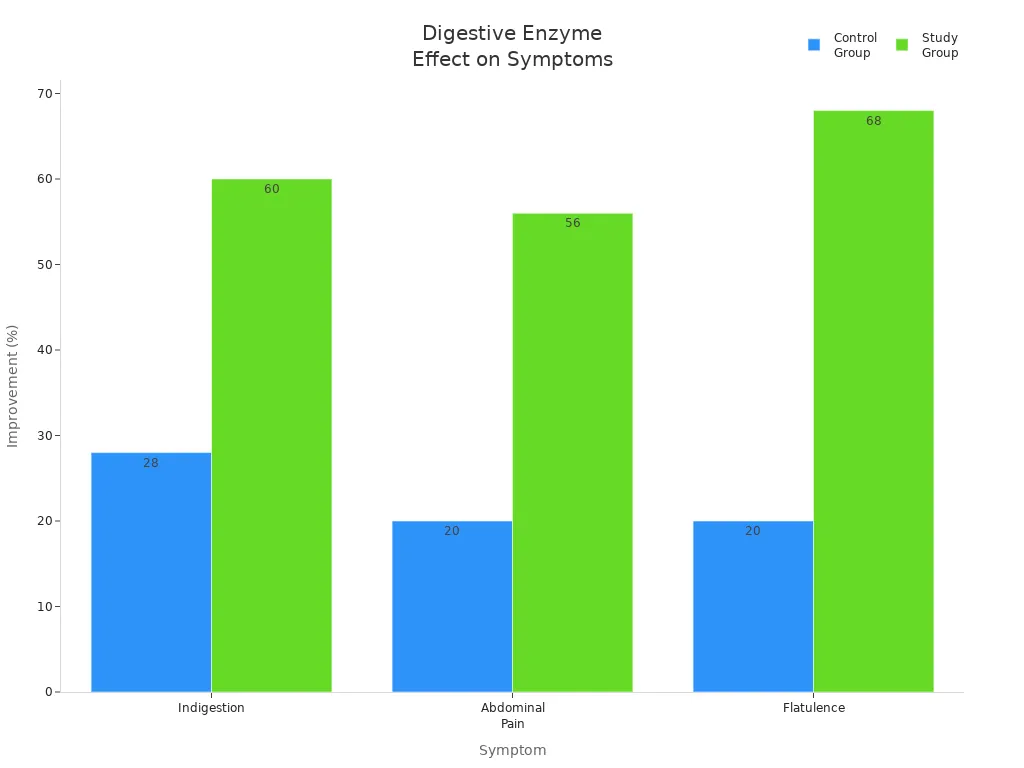
You can see that people who took digestive enzyme blends felt much better. Their gastrointestinal symptoms improved more than those in the control group. When you combine amylase, lipase, and bromelain, you help your digestive system work smoothly. You absorb more nutrients and feel less discomfort after eating.
Should You Try Digestive Enzyme Supplements?
Who Benefits from Supplements
You might wonder if digestive enzyme supplements are right for you. People with digestive enzyme deficiency often see the biggest improvements. If you have conditions like chronic pancreatitis, cystic fibrosis, or diabetes, your body may not make enough digestive enzymes. Digestive enzyme supplements can help you break down food and absorb nutrients better. Even if you have lactose intolerance, these supplements can make dairy easier to enjoy.
Take a look at this table to see who benefits most:
| Group of People | Benefit from Supplementation |
|---|---|
| Individuals with lactose intolerance | Lactase supplements may help consume dairy without side effects. |
| People with IBS | Alpha-galactosidase may ease gas and other IBS symptoms. |
| Individuals with pancreatic disorders | PERT may help with cystic fibrosis, pancreatitis, and cancer. |
You may also benefit if you have celiac disease or trouble digesting certain foods. Some people with IBS find relief from gas and bloating by using digestive enzyme supplements. If you eat a diet low in natural sources of digestive enzymes, you might notice more discomfort after meals.
Did you know? About 65% of users report less stomach discomfort after taking digestive enzyme supplements. Over half say they feel less gassy, too.
Safety and Choosing Supplements
Choosing the right digestive enzyme supplements can feel tricky. You want to make sure you pick safe and effective products. Always talk to your healthcare provider before starting new supplements. They can help you rule out serious health problems and guide you on the best options.
Here are some safety tips to keep in mind:
- Look for supplements with third-party testing for quality and purity.
- Check the label for allergen-free formulations if you have food allergies.
- Watch for possible side effects like upset stomach, bloating, or allergic reactions.
- Ask your doctor about interactions with medications, especially blood thinners or antacids.
Common side effects include:
| Common Side Effects |
|---|
| Stomach pain |
| Nausea or vomiting |
| Diarrhea |
| Constipation |
| Cramps |
| Gas or bloating |
| Headache |
You should also pay attention to the active ingredients in digestive enzyme supplements. Some products contain a blend of digestive enzymes in foods and herbal extracts. The recommended dosage is usually two capsules per day, but you can increase to four if needed. Never exceed the suggested amount.
Tip: Healthcare professionals do not always recommend digestive enzyme supplements for general gut health. They suggest using them only if you have a diagnosed digestive issue.
If you want to support your digestive system, try adding more natural sources of digestive enzymes to your diet. Foods like mangoes, bananas, and pineapples can help your body break down food naturally.
You now know that amylase offers three big benefits for your gut: it helps manage carbs, reduces bloating, and supports your gut microbiome. When you combine amylase with proteases and lipases, you boost digestion and ease digestive discomfort. If you eat foods high in natural digestive enzymes, you help your body absorb nutrients and improve your health. Most people do not need supplements, but if you have special health needs, talk to a professional first. Remember, you can take charge of your health and feel your best every day!
| Statistic | Description |
|---|---|
| 70 million | People in the U.S. face digestive health issues |
FAQ
Can you get enough amylase from food alone?
You can get amylase from foods like mangoes, bananas, and honey. Most people make enough in their bodies, but eating these foods helps your digestive system work better.
Do digestive enzyme supplements cause side effects?
You might notice mild side effects like stomach pain or gas. Most people feel fine, but you should talk to your doctor before trying any digestive supplements.
How do you know if you need more digestive enzymes?
If you often feel bloated, tired, or have trouble digesting food, you might need more digestive enzymes. Your doctor can help you figure out what’s best for you.
Can kids take digestive enzyme supplements?
Kids sometimes need digestive enzyme supplements, especially if they have health problems. Always ask a doctor before giving any supplement to a child.